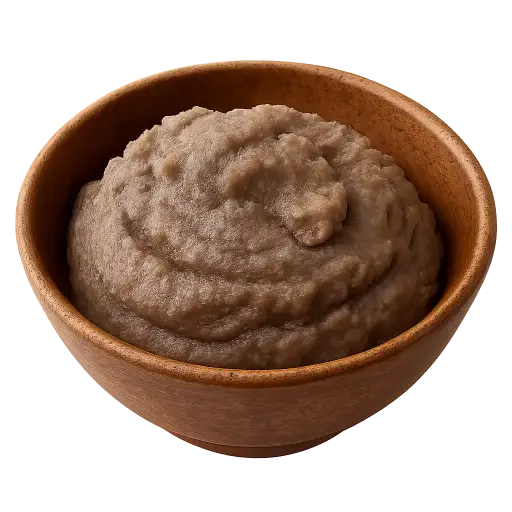
Dhindo
Finger millet porridge — kodo (finger millet) flour stirred vigorously into boiling water in a heavy pan until it thickens to a stiff, smooth, pull-away mass similar to ugali or polenta; eaten by breaking off pieces and dipping into a meat curry, dal, or gundruk soup. Dhindo is the traditional staple starch of the Sikkimese highlands above the rice cultivation line; its dense, slightly nutty character makes it more filling than rice and better suited to cold, physical work. Making good dhindo requires sustained stirring at the right heat to avoid lumps; the skill is considered fundamental to Sikkimese and Nepali highland cooking. Increasingly a heritage food as polished rice has replaced it in most urban households.
Cuisines
Best for
Recipe
Ingredients
|
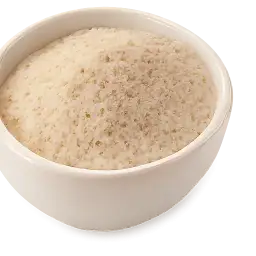
1 cup | Buckwheat flour |

|
2 cups | Water |

|
1 pinch | Salt |
|
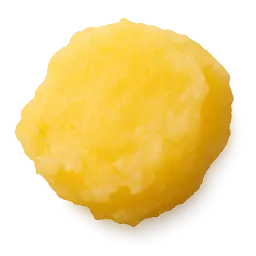
— | Ghee , or butter for serving |
Instructions
- 1 Bring the water to a boil in a deep pot.
- 2 Add a pinch of salt to the boiling water.
- 3 Gradually add the buckwheat flour to the boiling water while stirring continuously to avoid lumps.
- 4 Reduce the heat to low and continue stirring the mixture until it thickens and forms a smooth, dough-like consistency.
- 5 Cover the pot and let it cook on low heat for another 5-7 minutes, stirring occasionally.
- 6 Once cooked, remove from heat and let it sit for a minute.
- 7 Serve hot with a dollop of ghee or butter on top.
Tips
Dhindo is best enjoyed hot and can be served with curries, pickles, or yogurt for added flavor.