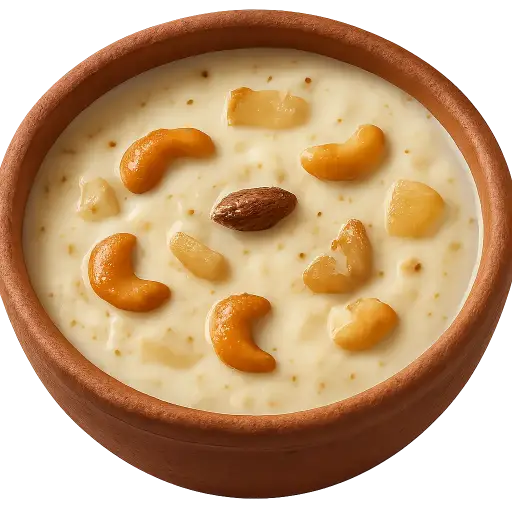
Hesarubele Payasa
Moong dal payasam in coconut milk — split yellow moong dal (hesarubele) fried in ghee until lightly golden and nutty, then cooked in water until completely soft and mashed, jaggery dissolved into the warm dal, and a generous quantity of fresh coconut milk (both thin and thick, in two stages) added and simmered until the payasam has a flowing, slightly thick consistency. Cardamom, a pinch of dry ginger, and coconut pieces and cashews fried in ghee finish the preparation. The moong dal's natural nuttiness and the coconut milk's tropical sweetness make this the most aromatic of Karnataka payasams. Lighter in texture than the arisi payasam and digests more easily; considered appropriate for offering to infants (in tiny portions) and the elderly. The Udupi temple kitchen makes hesarubele payasa for Nagapanchami and Ram Navami celebrations.
Cuisines
Best for
Recipe
Ingredients

|
1/4 cup | Moong Dal |

|
2 cups | Coconut Milk , thick |
|
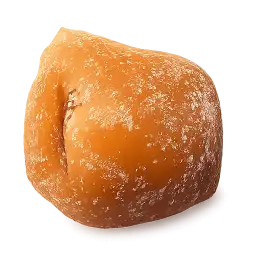
1/2 cup | Jaggery |

|
2 tablespoons | Ghee |
|
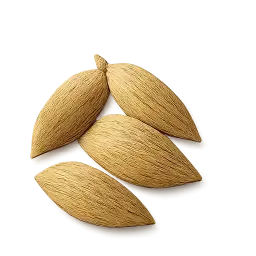
1/4 teaspoon | Cardamom , powder |

|
10 | Cashew , nuts |
|
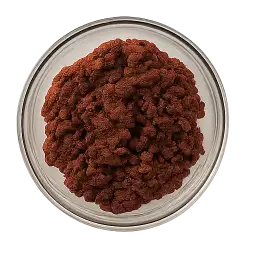
10 | Raisin |

|
1 pinch | Salt |
Instructions
- 1 Rinse the hesarubele (moong dal) thoroughly and drain the water.
- 2 In a pan, add 1 tablespoon of ghee and roast the moong dal on medium heat until it turns golden brown.
- 3 Add 1 cup of water to the roasted moong dal and cook until it becomes soft.
- 4 In a separate pan, melt the jaggery with a little water to make a syrup. Strain to remove impurities.
- 5 Add the jaggery syrup to the cooked moong dal and mix well.
- 6 Pour in the coconut milk and bring the mixture to a gentle boil.
- 7 Add cardamom powder and a pinch of salt, stirring continuously.
- 8 In another small pan, heat the remaining ghee and fry the cashew nuts and raisins until golden.
- 9 Add the fried cashew nuts and raisins to the payasa and mix well.
- 10 Serve the hesarubele payasa warm or at room temperature.
Tips
For a richer flavor, use freshly extracted coconut milk and adjust the sweetness by varying the amount of jaggery.