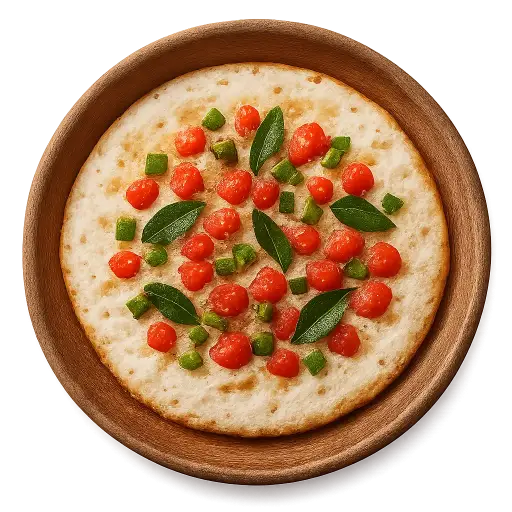
Oothappam
Thick rice-lentil pancake — the same fermented rice-urad dal batter as idli and dosai is poured in a thicker layer onto the tawa, spread only slightly, and cooked over low heat until the base is set and golden while the top remains soft. Toppings — finely diced tomato, green chilli, and curry leaves — are pressed gently into the wet surface before the top sets; sesame oil is dribbled around the edges. The oothappam is cooked only on one side; the top is left soft and the base is crisp. Distinctly different from dosai (thin, fully crisp) and idli (steamed, soft throughout): the oothappam is the intermediate preparation, crisp below and soft above, the toppings embedded in the yielding surface. The Tamil Brahmin version uses no onion; some families press thin slices of ripe banana into the surface for a sweet variant.
Cuisines
Best for
Recipe
Ingredients
|
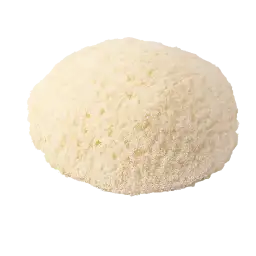
1 cup | Idli rice |

|
0.25 cup | Urad dal |
|
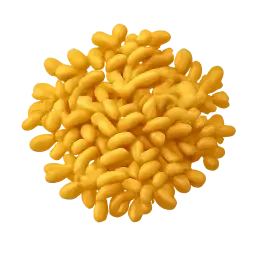
1 tablespoon | Fenugreek Seed |
|
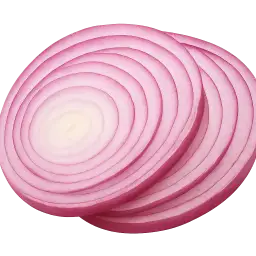
0.5 cup | Onion , thinly sliced |
|
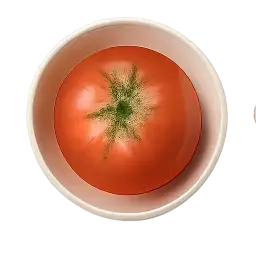
0.5 cup | Tomato , chopped |
|
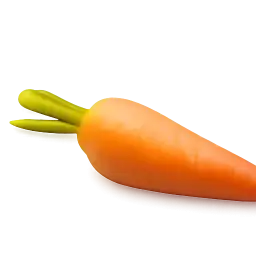
0.25 cup | Carrot , grated |
|
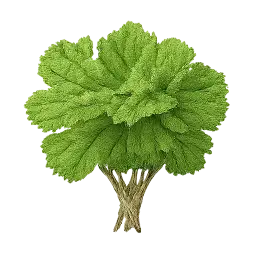
2 tablespoons | Cilantro , chopped |
|
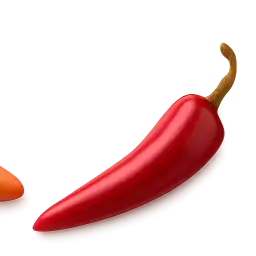
1 teaspoon | Chili , chopped |

|
— | Salt , to taste |

|
— | Oil , for cooking |
Instructions
- 1 Wash and soak the idli rice, urad dal, and fenugreek seeds together for 4-5 hours.
- 2 Drain the soaked ingredients and grind them into a smooth batter, adding water as needed.
- 3 Allow the batter to ferment overnight or for about 8 hours until it doubles in volume.
- 4 Add salt to the fermented batter and mix well.
- 5 Heat a non-stick tawa or griddle over medium heat and lightly grease it with oil.
- 6 Pour a ladleful of batter onto the tawa and spread it slightly to form a thick pancake.
- 7 Top the oothappam with onions, tomatoes, grated carrots, coriander leaves, and green chilies.
- 8 Drizzle a little oil around the edges and cook until the base is golden brown.
- 9 Flip the oothappam and cook the other side for a minute or until done.
- 10 Remove from the tawa and serve hot with chutney or sambar.
Tips
For a crispier texture, cook on a slightly higher flame and use a well-seasoned cast iron tawa.