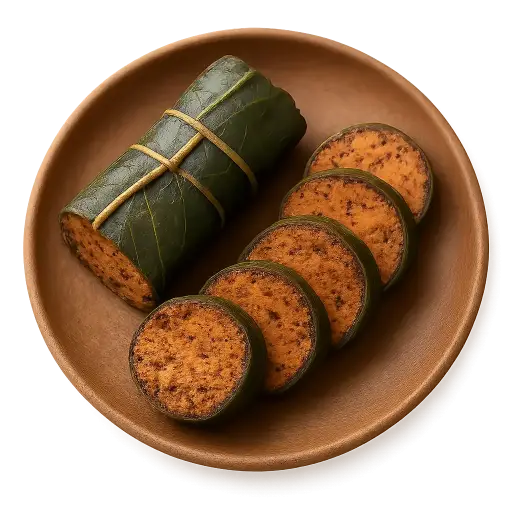
Pathrode
Taro leaf rolls steamed to a dense, sliceable log — a paste of soaked rice, tamarind, dried red chilli, jaggery, coconut, and cumin is spread on large colocasia leaves which are then stacked, rolled tightly, tied with twine, and steamed until the rice paste sets into a firm, savoury cylinder. Sliced into rounds and eaten as-is or shallow-fried in coconut oil for a crispy exterior. Made at the Ganesh Chaturthi festival and as a monsoon delicacy when taro leaves are at their most tender; the taro leaf's characteristic tingle is completely eliminated by the tamarind in the rice paste. A labour-intensive preparation that marks the Saraswat relationship with wild seasonal greens.
Cuisines
Best for
Build a full meal around Pathrode
Get a matched combo of sides and accents
Recipe
Ingredients
|
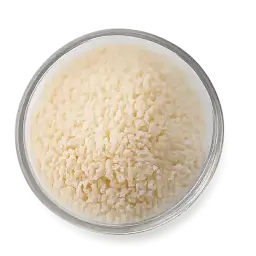
1 cup | Rice , raw |

|
1/2 cup | Toor Dal |

|
1/2 cup | Chana dal |

|
1 cup | Coconut , grated |

|
10-12 | Chili , dry red |
|
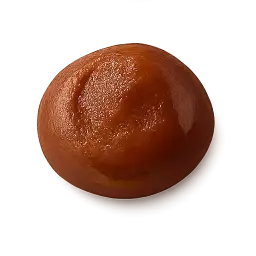
1 teaspoon | Tamarind paste |

|
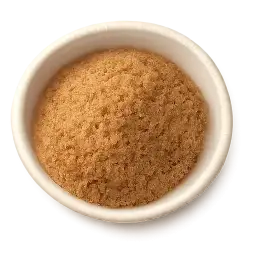
1 teaspoon | Jaggery |

|
1/2 teaspoon | Turmeric powder |
|
1 teaspoon | Cumin , seeds |
|
1 teaspoon | Mustard Seed |

|
1 tablespoon | Coconut oil |
|
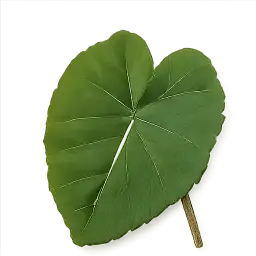
12-15 | Colocasium Leaf |

|
— | Salt , to taste |
Instructions
- 1 Wash and soak the rice, toor dal, and chana dal together for 2-3 hours.
- 2 Drain the soaked mixture and grind it with grated coconut, dry red chilies, tamarind paste, jaggery, turmeric powder, and salt to form a coarse paste.
- 3 Clean the colocasia leaves and remove the thick veins.
- 4 Spread a layer of the ground paste on the back of a colocasia leaf.
- 5 Place another leaf on top and repeat the process until you have a stack of 3-4 leaves.
- 6 Roll the stacked leaves tightly from one end to the other.
- 7 Steam the rolls in a steamer for about 30-35 minutes until cooked.
- 8 Once cooled, cut the rolls into slices.
- 9 Heat coconut oil in a pan, add mustard seeds and cumin seeds, and let them splutter.
- 10 Fry the sliced pathrode in the spiced oil until they are crispy on both sides.
Tips
Ensure the colocasia leaves are fresh and tender to avoid any itchiness.