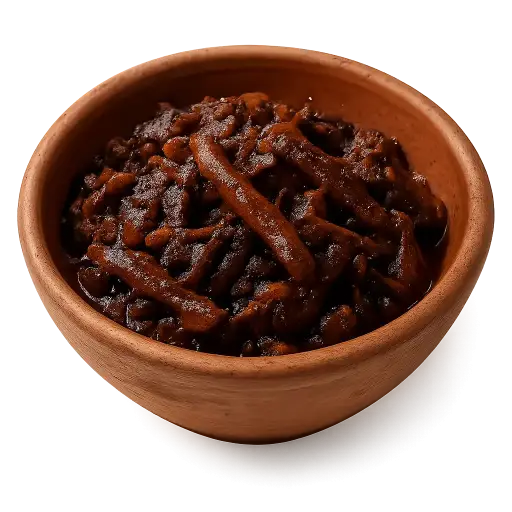
Sinki
Fermented radish tap root — tender central radish roots (not the leafy tops) buried in a sealed pit or clay pot for several weeks until they ferment to a deeply pungent, sour, earthy condiment. Sinki is the more pungent sibling of gundruk; the fermentation of the radish root produces a stronger, more barnyard aroma and a complex bitterness-sourness unlike any pickle in any other Indian cuisine. Used as a souring agent in vegetable curries and soups, or eaten in tiny quantities as a palate-sharpening condiment alongside rice. The making of sinki is a traditional skill passed from mother to daughter across highland Sikkimese and Nepali communities; the timing and sealing of the fermentation vessel are the critical variables.
Cuisines
Best for
Recipe
Ingredients

|
250 grams | Radish , grated |

|
1 teaspoon | Mustard Seed |
|
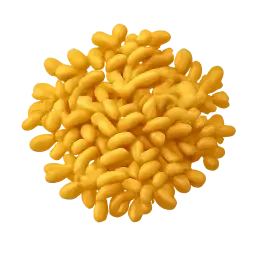
1 teaspoon | Fenugreek Seed |
|
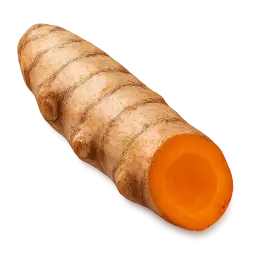
1 teaspoon | Turmeric powder |

|
1 tablespoon | Mustard oil |

|
— | Salt , to taste |

|
2 cups | Water |
Instructions
- 1 Wash and peel the radish, then cut it into thin strips.
- 2 In a large bowl, mix the radish strips with salt and turmeric powder.
- 3 Place the radish mixture in a clean, dry glass jar and press down to remove any air pockets.
- 4 Cover the jar with a clean cloth and secure it with a rubber band.
- 5 Let the radish ferment for about 7-10 days in a cool, dry place.
- 6 After fermentation, heat mustard oil in a pan and add mustard seeds and fenugreek seeds.
- 7 Once the seeds start to splutter, add the fermented radish strips and sauté for a few minutes.
- 8 Add water and bring the mixture to a boil.
- 9 Simmer for about 30 minutes or until the radish is tender and the flavors are well combined.
- 10 Adjust salt to taste and serve hot.
Tips
Ensure the jar is airtight during fermentation to prevent spoilage.