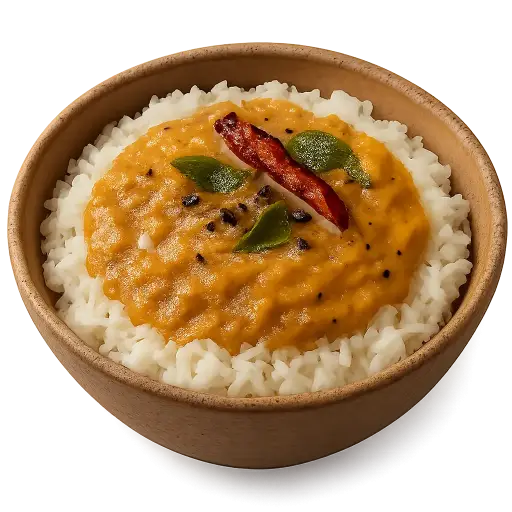
Surati Dal
The sweeter, richer Surati toor dal — Surati dal is cooked with a more generous quantity of jaggery than the standard Gujarati dal, a splash of coconut milk or grated coconut added during cooking, and the tempering includes dried red chilli, mustard seeds, curry leaves, and asafoetida in ghee. The result is a dal that is notably sweeter and more body-rich than any other regional Indian dal; the coconut addition softens the dal's natural astringency and the jaggery adds depth rather than just sweetness. Poured over steamed rice with ghee as the foundation of the Surati lunch thali; the dal's sweetness is the flavour axis around which the rest of the meal is balanced.
Cuisines
Best for
Recipe
Ingredients

|
1/2 cup | Toor Dal |

|
2 cups | Water |
|
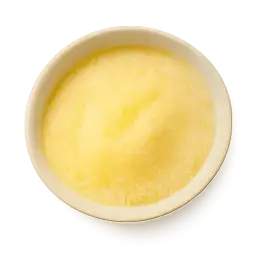
1 tablespoon | Ghee or oil |
|
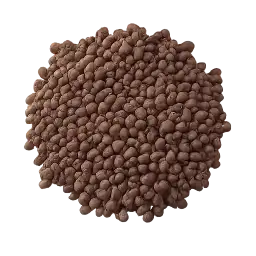
1/2 teaspoon | Mustard Seed |
|
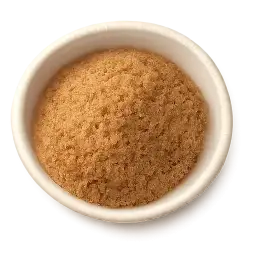
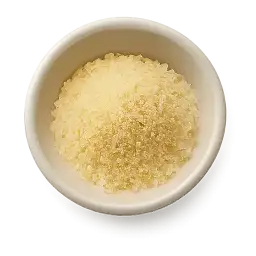
1/2 teaspoon | Cumin , seeds |
|
1/4 teaspoon | Asafoetida |

|
1 teaspoon | Turmeric powder |
|
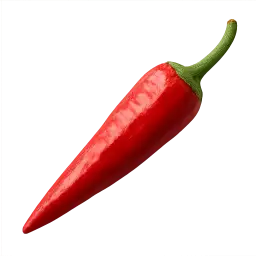
1 teaspoon | Red chili powder |
|
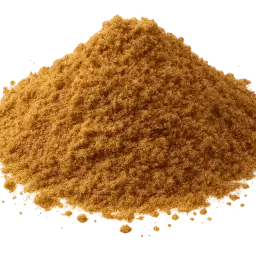
1 teaspoon | Coriander powder |

|
1 tablespoon | Jaggery |
|
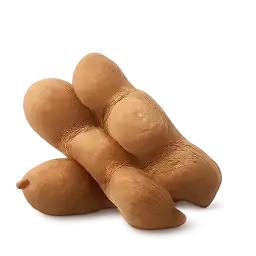
1 tablespoon | Tamarind , pulp |

|
1 teaspoon | Salt |

|
1 tablespoon | Cilantro , chopped |
Instructions
- 1 Rinse the toor dal under running water until the water runs clear.
- 2 In a pressure cooker, add the rinsed dal and 2 cups of water. Cook for 3-4 whistles or until the dal is soft.
- 3 Once the pressure releases, mash the dal slightly with a spoon or whisk.
- 4 In a pan, heat ghee or oil over medium heat. Add mustard seeds and let them splutter.
- 5 Add cumin seeds and asafoetida, and sauté for a few seconds.
- 6 Add the chopped tomato and green chili, and cook until the tomato softens.
- 7 Stir in turmeric powder, red chili powder, and coriander powder. Cook for another minute.
- 8 Add the cooked dal to the pan and mix well.
- 9 Add jaggery, tamarind pulp, and salt. Simmer for 5-7 minutes, stirring occasionally.
- 10 Adjust the consistency of the dal by adding more water if needed.
- 11 Garnish with chopped cilantro before serving.
Tips
For a richer flavor, you can add a pinch of garam masala at the end of cooking.